PFO and ASD closure
Sealing an opening between the upper heart chambers with a folding device.
What it is
A closure device is made of two soft mesh discs joined by a short waist. Folded inside a catheter, it is passed from a vein at the top of the leg to the heart. One disc opens on each side of the wall between the upper chambers, sealing the opening. Over the following months, the heart’s own lining grows over it.
Why it may be recommended
- PFO linked to a stroke, decided together with your neurologist
- An ASD that is enlarging the right side of the heart
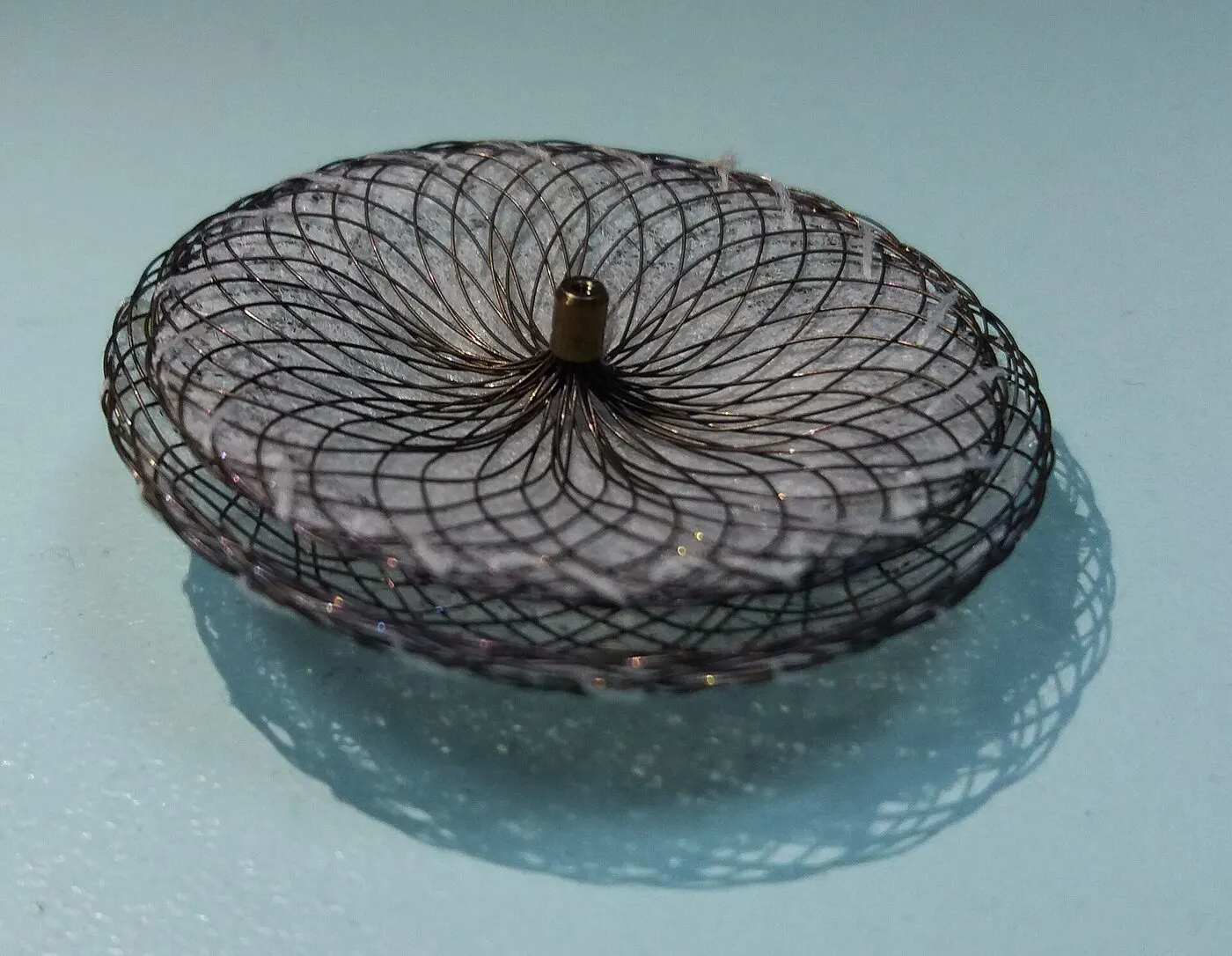
How pfo / asd closure works, step by step
Step 1 of 4
Ultrasound from the food pipe or inside the heart measures the opening during the procedure.
A catheter is passed from the leg vein through the opening.
The far disc opens in the left upper chamber and is drawn back against the wall.
The near disc opens on the right side, sandwiching the wall. The device is checked, then released.
Before
- A bubble echocardiogram and usually a transoesophageal echo
- Blood tests
- Fasting beforehand
Recovery
- Usually home the same day or next morning
- Blood-thinning tablets for some months
- Antibiotic cover before dental work for six months
Risks
Risks are low but include bleeding at the vein, rhythm disturbance (often temporary atrial fibrillation), device movement and, rarely, erosion or infection. These are discussed with you in detail.
Considering this procedure?
Every procedure is discussed with you first: why it is recommended, the alternatives, and the risks that apply to you.